
Case study · Chelleon · United Kingdom
Every pound invested in ads returned £1.78 in gross profit.
A specialist UK online retailer of premium skincare brands. A multi-year Google Ads engagement, measured on profit, not revenue. The first AI-enabled account in my portfolio.

- Client
- Chelleon
- Industry
- eCommerce, premium skincare
- Market
- United Kingdom
- Channels
- Search, Shopping, remarketing
- Key metric
- POAS, return on profit
Impact by the numbers
What this meant for the business.
gross profit for every pound spent on ads, 12-month average
consecutive months in which ads earned more than they cost
lower budget than a year earlier, while the return rose to 2.05x
of gross profit comes from returning customers, the base for long-term growth
POAS = gross profit from ads / ad cost. Exact amounts are confidential and not shown.
Challenge
An account can look excellent in a report while the money goes to products that barely cover their cost.
The retailer sells several premium skincare brands, with margins that differ by up to two times between products. Classic ROAS measures revenue, so it rewards every sale the same, no matter how much it actually earns. On top of that, a click in this category costs roughly £1 to £5 and jumps in peak season.
The goal was clear: every pound in ads has to return more gross profit than it costs, month after month. When the budget goes up, and when it goes down.
Approach
Four decisions carried the result. The execution details stay between me and the client; here is the logic.
POAS and advanced conversion tracking
Google Ads receives the gross profit of each order, not its revenue. The algorithm learns to chase margin, and the report shows the same thing as the books.
Portfolio strategy with a tROAS target
Campaigns share one return target, set on profit, with a protective cost-per-click cap. The algorithm has room to learn, and cost stays predictable even when the auction gets more expensive.
Money goes where the margin is
Products and bundles that earn more get priority. Campaigns without measurable sales wait until measurement works, and big changes go to part of the budget first.
The first AI-enabled account in my portfolio.
This is where I first deployed my personal operating system with agentic workflows. AI agents replaced more than 50 scripts: they monitor the account, analyse the data and prepare decisions. I make the decisions, and each one is logged the same day, with the data and the outcome.
Results
POAS by month · Jan 2025 - Sep 2026
Every month above break-even.
From March 2025 to February 2026, average POAS was 1.78x. The strongest month was Black Friday 2025, at 2.22x. From January 2025 to September 2026, all 21 months closed above break-even.
In spring 2026 the budget was 30% lower than a year earlier, and the return went up: June closed at a POAS of 2.05x. Less money, better allocated.
- Returning customers make up 67% of customers and bring 81% of gross profit. Customer value, not the price of the first sale, sets how much can be invested.
- Figures in Google Ads and in the client's own reports matched to the penny.
- The engagement ended in November 2026, with the account in profit and a documented plan for the next step.
The leadership view
What this approach brings to the leadership table.
Efficiency growth that does not depend on a bigger budget: 30% less spend, a higher return.
Ads are measured in the same currency as the rest of the business, gross profit, with reporting that matches the books.
A clear picture of what drives results, with a log of every decision and its outcome.
- Google Ads Search
- Standard Shopping
- Remarketing
- Portfolio tROAS
- POAS measurement
- Google Ads API
- Agentic AI workflows
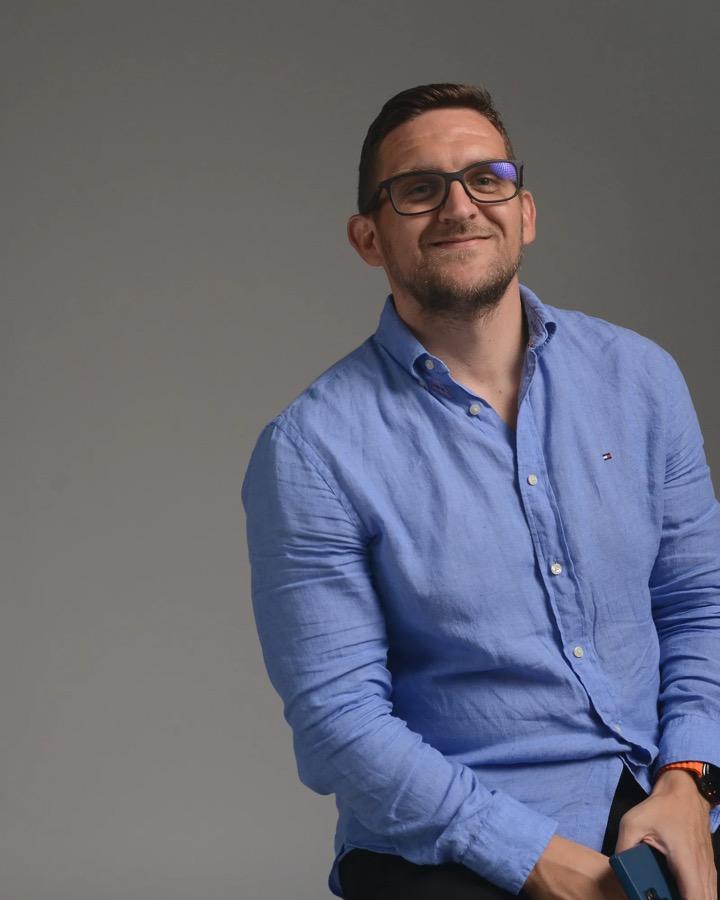
Who ran the account
Slobodan Jelisavac
- 10+ years in Google Ads
- 50+ brands
- 3x UK Search Awards*
* campaigns I worked on won 3 UK Search Awards
Is your Google Ads making money, or just making sales?
Send read-only access to your account. I'll tell you what I see first.